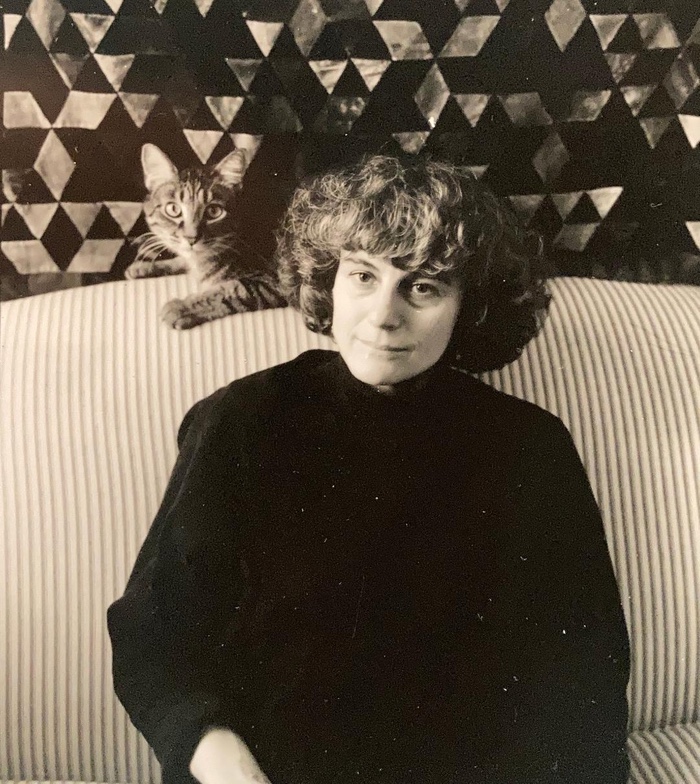
A year ago this week, I wrote a story about my wife’s experience with the healthcare system after falling down the stairs and sustaining a traumatic brain injury. Her injury, and the surgery that followed, proved fatal. Tina Cassara died on June 17, 2024.
I wish, in the year since, that I could forgive the medical system that treats patients with callous care (not every hospital in my experience, but certainly my wife’s situation) and puts money before patients. I received dozens of emails and text messages after CoolCleveland published my article Nightmare Journey Through Cleveland’s “World Class” Healthcare System last year. I can tell you this much: I was not alone.
My father died three days before Tina, compounding my grief and tossing our family into turmoil. I missed his wake and funeral because I drove furiously back to Ohio. Seven hours. I was in the room when she died, looking into her eyes, holding her hands as she disappeared at exactly the same hour my father was at the funeral home in Pennsylvania. His burial was the next morning. I never made it back.
After her death, I found myself alone and heartbroken. I went to grief counseling sessions where nine out of ten of the participants were women my age, with more than 50% of their spouses dying from a head injury similar to Tina’s. Their stories broke my heart. We cried together. I came away with a deep sense of empathy and sorrow for every one of them. I have stayed in contact with several members of my group. We talk about PTSD, life without our loved ones, and the need to stay connected. We are the living survivors, and our memories continue to keep the dead alive.
I consulted with a therapist. Ironically, he was from the same hospital where my wife had surgery and later died. I talked with him over Zoom every few weeks for fifty minutes. He was competent but not especially interested, repeating what I told him so I could hear it back. When we got to my anger issues about the hospital, we had to end our sessions. I had three different attorneys looking into a lawsuit for malpractice, suggested to me by family and friends after they heard my story. Eventually, all three attorneys came to the same conclusion: Tina fell down the stairs, hit her head, and suffered a traumatic brain injury. Surgery was necessary to stop the brain bleed, but because of her age, the risks of her survival were not good.
No one at the hospital explained that to me. The lawyers eventually did. Not that the outcome would have been different, but the silos doctors and surgeons live in set up roadblocks for family and friends trying to come to terms with a crisis. I would have appreciated the neurosurgeon explaining the risks. Instead, he called my cell phone immediately after the surgery, all of a twenty-second conversation, to tell me it went well. It didn’t.
The summer of 2024 was a blur. If not for the memorial event at Praxis Fiber Workshop in Collinwood a few months after Tina died, where dozens of her colleagues and friends gathered to celebrate her extraordinary life, I might have only a few memories from that time. I am grateful to the arts community for showing up. We raised enough money to establish an artist’s fellowship in her name, the details of which were published in CoolCleveland a few weeks ago.
Winter roared in like a storm. I wrote daily in a series titled The Fall. Hundreds and hundreds of handwritten pages. In these notebooks, I chronicled my journey through her trauma and death, devastating grief, and sorrow. I pulled back socially and stayed home by myself far too much as the days blurred into weeks and then months. I absorbed the pain and slept very little. When invited for coffee or dinner, I would very often decline.
Men experience the loss of their significant other the same as women — it is brutal. Where we differ, perhaps, is that men, including myself, do not reach out for help as often as women. We remain socially isolated. Male emotional language, expressing our feelings and pain, is not a regular part of my generation. I hope that changes for the younger generation.
I was told constantly how sorry people felt for my loss. I grew tired of hearing it by the end of the year. If I heard one more, “I don’t know what I would do,” I might collapse or explode. Please understand. I deeply appreciated my family and friends checking in on me regularly. I would not have survived if not for them. I wanted that contact and still do, but widowers and widows need reassurance. Sad eyes make us more sad. I live with and welcome the condolences, especially now, a year later, much further along in my grief journey.
Grief and sorrow never go away. We do not move on or get over it. Could you tell me why we should? The pain we experience marks our lives forever. It is unerasable. I do not want to forget her death. I have no interest in getting over my life of nearly forty years with her. I will always remember her, and if that means starting again, folding those memories into a new reality, well, so be it. That is my challenge.
The holidays were crushing. I stared at a bottle of sleeping pills every night for months. Some nights, I placed a bottle of vodka next to the vial of pills. No drinking glass. It was going to be all or nothing. I stood at the edge of an abyss. Darkness appeared comforting. I knew it would take only a moment, a quick decision, to end my life. Grief and sorrow can be so very persuasive.
Spring proved healthier. The sleeping pills went back into the medicine cabinet. The vodka bottle is still unopened, chilling in the freezer. I now walk in my neighborhood several days a week.
I will die someday, but it will not be today. One foot in front of the other, a day at a time; one friendly conversation after another. I do not know what the future will bring, whether I stay in Cleveland or move away, continue working in the studio, or stop altogether. I have to find a life beyond the one we shared and now gone forever.
When our spouse or significant other dies, we lose one-half of the narrative of our shared life experiences. I grieve for that loss as much as her physical presence. It’s feels like one hand clapping. Honoring the greatness of compassion and empathy and the boldness of equity and kindness makes us human. I hope we, as a society and culture, find our path towards civility. I can stay alive for that.

5 Responses to “Bruce Checefsky: A Remarkable and Painful Year”
Marilee stang
Tina was my teacher at CIA. She took me up to visit Cranbrook as well. She was a dedicated and kind person.
Joan Perch
Thank you for sharing this. It is almost a year since I lost Paul. Grief, getting up, living… it’s all a challenge. I’m so sorry for this tragedy and your loss.
Marc
If that gorgeous cat is still around he will most certainly need you. And that’s something.
Craig
Having had a fair (or perhaps an enormous) amount of experience with healthcare systems over the years with various family members, the hospitals are world class but it’s an unfamiliar system to nearly all and in times of urgency, it can be more than daunting to navigate. The post-hospital care system however can be unfortunately even more challenging to comprehend. Sadly, there’s no practical way to gain experience with either except through repeated trials. But yeah, such trials can be incredibly stressful.
Karen Kato
Bruce ─
It is with a great deal of empathy and more than a little angst that I just finished reading/rereading your raw, emotional recollection of the tragic circumstances and appalling care [or lack thereof] that have no doubt served to hasten the untimely passing of your beloved wife. Your all too familiar, piercingly sad words spoke volumes to my heart. Please accept my deepest condolences.
No one should ever have to experience such unconscionable treatment and total disregard at the hands of a severely broken, discompassionate “healthcare” system managed by greedy corporate mongers who place more value in the almighty dollar than that of a precious human life.
As a retired (old school) nurse, I can both fortunately and unfortunately recall far more humane days when the status of our nation’s healthcare was respectful, proud, admirable, and fair. Regretfully, not anywhere even remotely close to today’s subpar standards!
I wish I’d had the privilege of having known your Tina. She sounds like a remarkable person – a kind, gentle, free spirit, old soul ─ my kind of woman. May the fond, albeit bittersweet memories of your time together be a constant source of comfort to you and to all who loved her, as well as all those whose lives she obviously touched through her art.
And [God forgive me] may Mother Karma be equally as swift in doling out just deserves in the form of unforgiving consequences to all those guilty of treating [mistreating] her life with such careless, reckless abandon.
Best
Karen Kato
(¯`v´¯)
`*.¸.*´
¸.•´ ¸.•*¨) ¸.•*¨)
(¸¸.•´(¸¸.•´(¸¸.•´(¸¸.•*¨*•.¸¸.♥︎