 Thu 8/7 @ 6-8PM
In the years following World War II, factory farming — giant farming operations run by corporations — was held out as a beacon for the future, promising to feed the world’s growing population at lower cost.
The future proved to be more complicated. As the giant conglomerates swallowed up small family farms at warp speed, issues began to emerge. Raising so many livestock animals in close quarters led to the routine use of antibiotics. Monocultures — growing a single cropped repeatedly over vast territories — led to everything from soil depletion to disease susceptibility to the development of GMOs — genetically modified crops to allow use of larger amounts of pesticides and herbicides. People (such as this Ohio man last December) have even drowned in the giant manure lagoons created by huge animals farming operations.
Needless to say, as the healthy food movement has gained momentum, and more restaurants are looking at sourcing their food from sustainable operations, people are starting to take a harder look at the viability of factory farming.
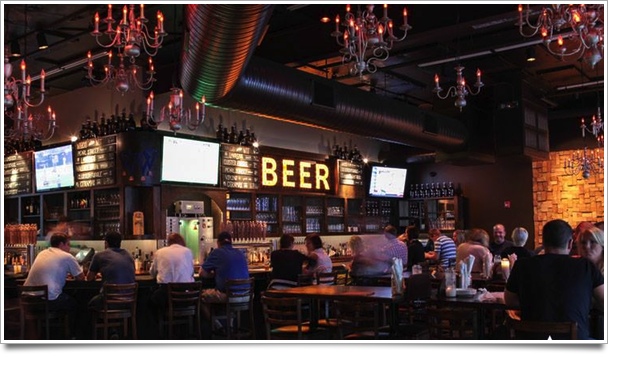
You can be part of a discussion on factory farming, sponsored by Food and Water Watch and the Humane Society of the United States, taking place at the Market Garden in Ohio City. While you’re learning about the threats to human health and the environment that factory farming presents, you can order from a menu of locally sourced food and, of course, beer.
The event is free, so order another beer.