One Billion. It’s a crazy amount to take away from our National Park System, but that’s what’s planned. There may be more. It’s the largest proposed cut in the Park Service’s 109-year history and will eliminate funding for roughly 350 park sites. Within the NPS are 433 official units (also known as parks), 150 related areas, and numerous programs that conserve our country’s natural and cultural heritage.
The NPS oversees national monuments, preserves, lakeshores, seashores, rivers, scenic riverways, trails, battlefields, historical parks, monuments, parkways, and performing arts sites, as well as national parks. For example, the NPS protects and maintains Cape Hatteras National Seashore, Perry’s Victory and International Peace Memorial, Gettysburg Battlefield, Grand Staircase-Escalante National Monument, and many other park sites. There’s much more than the fate of the 63 national parks at stake.
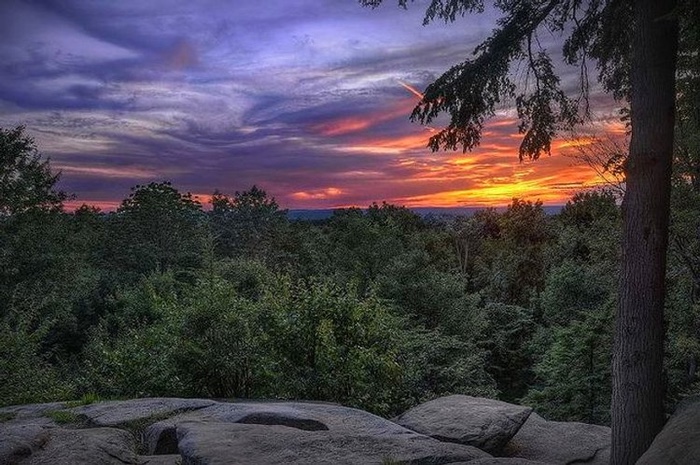
Many of us can share stories of visits to iconic parks like Yellowstone and its wide-open spaces; Olympic National Park’s Pacific rainforest coastline; and Biscayne National Park with its coral reefs and mangrove forests. NPS properties in Indiana, Michigan, West Virgina, Kentucky, Tennessee, and Virginia are not far away. Those of us in Northeast Ohio are fortunate to have access to Cuyahoga Valley National Park which we can visit any time we want to be outdoors. The places we love in our big woods along the river provide numerous opportunities to commune with nature.
Theresa Pierno, President and CEO of the National Parks Association, called the budget proposal “the most extreme, unrealistic and destructive National Park Service budget a president has ever proposed in the agency’s 109-year history. It’s nothing less than an all-out assault on America’s national parks.” It’s astounding that this wonderful legacy we’ve painstakingly created over the last century is danger, especially since the parks make money. Frommers reported that “National parks contribute significantly to the economy by generating $55.6 billion in spending and supporting 415,000 jobs.” In addition to reducing staff, the current White House administration plans to give away hundreds of park sites and lease, develop, and extract national resources from those that remain.

Can you imagine your favorite national park, say, Yellowstone, already spoiled by unplanned forest fires, deforested for new development, mined for minerals, and drilled for oil? The experience of watching wildlife roam the vast landscape, walking on boardwalks over hot springs, enjoying a ranger-led campfire or outdoor barbecue, taking a boat across Jenny Lake, and fishing the public-land mountain lakes would be spoiled.
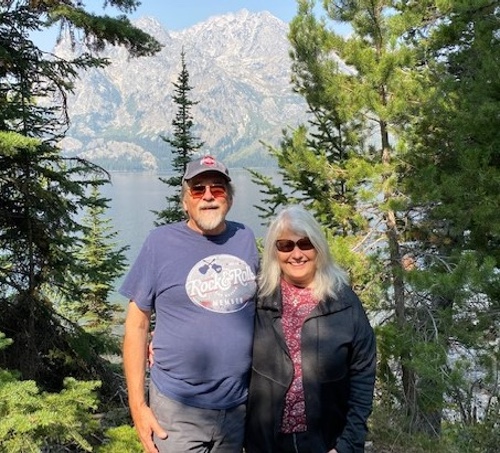
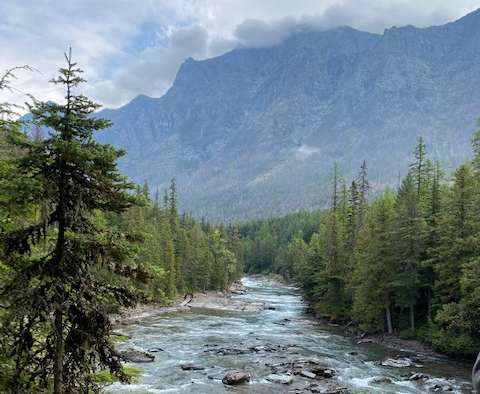
In 2021, when we still had to wear masks in the parks and overseas students couldn’t be hired to staff them, we got in our car and drove I-80 straight west to visit Grand Teton, Yellowstone and Glacier National Parks, and on our way back east again, we stopped at Mount Rushmore and Badlands National Parks. We experienced long lines at the few open casual restaurants and cafeterias; parking was sometimes unavailable because of closures and lack of staff; ranger tours and excursions were cancelled; and there were limited available reservations and hours at resort restaurants like the Mural Room at Grand Teton Lodge. At Yellowstone Lake Hotel, the food was served buffet-style and the quality was subpar because of low staffing (and COVID shortages).
Over the course of our marriage, we have explored the wilderness and natural beauty of dozens of national park properties, including Smoky Mountains, Blue Ridge Parkway and Shenandoah in the Appalachian Mountains; Yosemite, Point Reyes and Sequoia in California; Canyonlands, Grand Canyon, Mesa Verde, Zion and Bryce Canyon in the southwest; and Cape Cod, Cape Hatteras, Assateague and Painted Rocks seashores and lakeshores. We don’t want these iconic public lands to be changed.
We want to support our national parks. On a recent evening, we drove to Happy Days Visitor Center in the Cuyahoga Valley National Park for a presentation by the Conservancy for CVNP (the “Conservancy”) on how to advocate for national parks and public lands. The Conservancy, through fundraising, education, and non-partisan advocacy, protects 33,000 acres of land in Ohio as part of Richard Nixon’s Parks to the People project. The first thing we learned is that CVNP makes a $225 million impact on the local economy, provides 2000 local jobs, and is the twelfth most visited park in the nation (2.9M people visit each year).
Advocacy begins with emails to lawmakers, social media posts, establishing relationships with public officials, becoming educated about issues relating to the parks, and organizing programs. The Conservancy suggests that when talking about parks we focus on the NPS missions and priorities, including its policies, funding, stewardship, access and preservation. Those whom we want to contact are our Ohio officials as well as those representatives on the Senate Committee on Energy and National Resources, the United States Department on the Interior, the NPS commission and appropriation committees, the America the Beautiful Act (energy and natural resources), the America Great Outdoors Act, and the Protect Our Public Lands caucus. Do your research so you know your messaging is being received by those who need to hear what you have to say.
A good resource for local connection is the 5 Calls app, which helps you learn what’s happening in Congress and automatically connects you with your House, Senate and local representatives. Check their positions on social media and websites. Effective messaging begins with a personal message about what CVNP and the other national parks mean to you and the reasons for why the parks should be protected, and provides useful information about a park’s input on their district and the people’s voting records. Use uniting words — pollution, economic impact, public mental health and future generations — and include a thank you. The message should be nonpartisan and factual yet personal. Do the work for them so you can provide them with facts.
In addition to reaching out to our elected officials, consider donating to the National Park Service and the Conservancy for Cuyahoga Valley National Park and becoming involved in advocacy groups like Save Our Parks and the Sierra Club. Just getting out on the land to clean up brush and remove non-native plants provides the satisfaction of making a difference.
Road trips are in my blood and our marriage was built on them. I think we’ll wait to see what happens this summer before we make plans to drive out west. We do have plans to return to Acadia National Park this fall — we can’t resist our national parks.
I hope they’re not on our bucket list of where we need to go next before they’re gone.